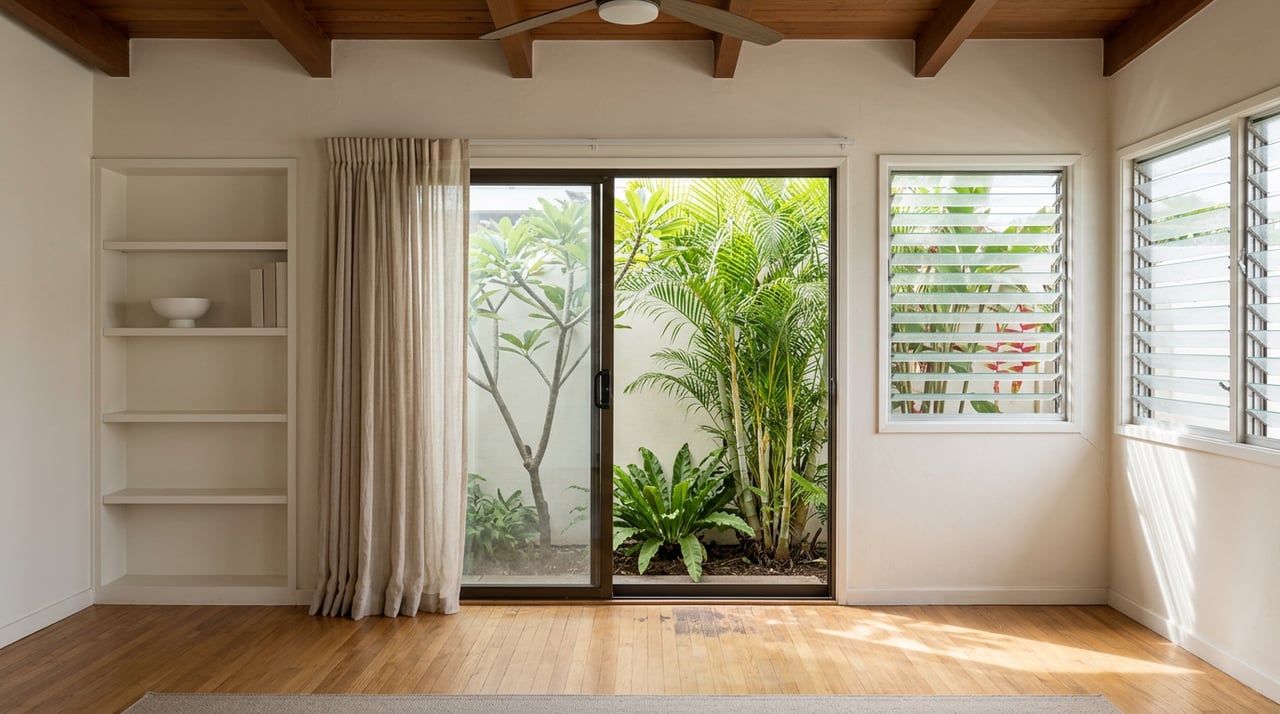
Selling a classic Kaneohe home can feel overwhelming, especially if you have years of memories and a punch list that keeps growing. You want a smooth sale and strong price without over-investing in the wrong projects. This guide gives you a clear, local-first plan so you can prioritize what matters most to today’s buyers and to lenders. Let’s dive in.
Kaneohe market snapshot
Kaneohe’s single-family market has shifted toward a more balanced pace, with neighborhood-level pricing often landing in the high $800Ks to low $1M range. Microtrends vary by street and home type, so a neighborhood-specific CMA is essential before you choose any upgrades. For island context, review the Honolulu Board of REALTORS market report and then pair it with a customized CMA for your home.
What today’s buyers expect
Most buyers want move-in readiness that feels safe and functional. They look for solid systems, good indoor-outdoor flow, and practical kitchens and baths. Energy features, like solar or the ability to add it, also stand out. Use your CMA to set a realistic scope so you focus on the highest-impact fixes instead of a full remodel.
First, handle safety and permits
Pull DPP records
Start by checking past permits and approvals. Unpermitted work in older homes is common and can derail appraisals or financing. Search and verify records with the City and County of Honolulu Department of Planning and Permitting, then disclose what you know and address issues where feasible.
Fix code and safety items
Prioritize anything that affects safety or financing. Typical items include GFCI protection near water, panel issues, missing smoke or CO detectors, and any active roof leaks. When you repair, use licensed pros, pull permits as required, and keep receipts to include in your disclosure packet.
Tackle Kaneohe climate risks
Termites are routine
Termites are a fact of life in Hawaii, and older windward homes often show signs over time. Consider a pre-listing inspection from a licensed company and be ready to share the report. The University of Hawaiʻi notes widespread activity, including aggressive Formosan subterranean termites; learn more from the CTAHR termite overview. If treatment is recommended, gather quotes and warranties to share with buyers.
Moisture and mold control
Humid, coastal air makes moisture management critical. If you have a history of leaks, dry and repair affected areas, and remediate any visible mold before listing. The EPA advises drying wet materials within 24 to 48 hours to help prevent mold; review its indoor air quality and cleanup guidance. Document what you fixed with photos and invoices.
Roof, flashings, and corrosion
Salt air can corrode flashings, fasteners, and exterior metals faster on the windward side. Have a roofer inspect for edge rot, degraded flashings, and attic moisture. Targeted repairs and proof of maintenance can reassure buyers; coastal guidance often recommends corrosion-resistant details and routine rinsing, as highlighted in this roofing maintenance overview.
Plumbing and wastewater clarity
Confirm whether your property is on public sewer or uses an onsite system such as a cesspool or septic. Check your water/sewer bill for charges and consult the Hawaiʻi Department of Health’s Wastewater Branch for current rules and resources. New cesspools are prohibited, and sellers must disclose wastewater status; see DOH guidance on cesspools and onsite wastewater.
Electrical and plumbing basics
Aging panels, limited circuits, and galvanized pipes are common in older homes. Have a licensed electrician and plumber assess safety and function. Focus on fixes that affect insurability and lending, like panel safety and obvious leaks. Provide receipts and any permits to strengthen buyer confidence.
High-ROI refreshes buyers notice
Once safety and systems are handled, lean into simple refreshes. Clean, neutral paint, decluttering, and tidied landscaping go a long way. Make lanais shine to highlight indoor-outdoor flow. If you want help coordinating, your agent can align staging, light repairs, and photography so you get a high-impact presentation without overreach.
Energy features that resonate
Solar and storage are valuable in Hawaiʻi, but details matter. Hawaiian Electric’s 2024 Smart Renewable Energy framework changed interconnection pathways, and transfer rules for legacy agreements can vary. If you have solar, document system specifications, approvals, and whether any agreement is transferable; learn more about program structure from Hawaiian Electric.
If buyers plan to add a system, timing can affect incentives. The IRS states the Residential Clean Energy Credit applies to qualifying property placed in service through December 31, 2025, with carryforward rules for unused credits; confirm details with a tax professional and the IRS guidance.
Market the vintage character
Kaneohe’s older homes often feature plantation-era and mid-century island design elements that buyers love. Spotlight original hardwoods, built-ins, wide eaves, and lanais, and pair them with proof that the systems are cared for. For context on historic local styles, see this overview of Hawaiʻi’s historic homes. Provide an “Upgrades & Reports” packet with inspections, warranties, roof invoices, and any permit records so buyers can enjoy the character without worrying about what is behind the walls.
A clean pre-listing inspection can also be a marketing asset. Sharing a seller’s inspection report has been shown to reduce late-stage negotiations and speed closings; read more on the value of pre-listing checks here.
A prioritized pre-list checklist
- Order a neighborhood-specific CMA to set pricing and the right project scope. Pair this with island-level context from the local market report.
- Search DPP records for permits, plans, and final inspections. Address or disclose unpermitted work with the Honolulu DPP.
- Schedule a general home inspection and a separate termite inspection. Treat activity, repair rot, and keep all receipts and warranties. Reference CTAHR’s termite resource for awareness.
- If you use a cesspool or older onsite system, follow DOH guidance, confirm sewer availability, and disclose status. See DOH wastewater.
- Complete targeted roof and exterior weatherproofing fixes. Provide documentation for recent work and materials.
- Handle basic electrical and plumbing safety items. Keep permits and invoices in your disclosure packet.
- Refresh cosmetics: paint, declutter, brighten, and make lanais photo-ready. Emphasize indoor-outdoor living in your photos and copy.
- Document any energy features. If you have solar, gather approvals and interconnection program details from Hawaiian Electric, and reference IRS guidance for buyers considering future installs.
Ready to list with confidence?
You do not need to overhaul an older home to sell well in Kaneohe. Focus on safety, moisture and termites, roofing, and essential systems, then polish what buyers see first. If you want a clear plan, a custom CMA, and hands-on coordination of pre-sale prep and staging, connect with Laura Ing Baker for a free home valuation and consultation.
FAQs
Do I have to replace a cesspool before selling in Kaneohe?
- Not always. You must disclose wastewater status, and options depend on DOH and county rules and whether sewer is available; review the Hawaiʻi DOH’s wastewater guidance.
Will solar always raise my Kaneohe home’s value?
- Solar can help, but program and incentive details matter. Document system specs, approvals, and any transferable agreements, and review current pathways with Hawaiian Electric.
Should I fix everything the inspector finds in an older home?
- No. Prioritize safety, code, termite/moisture, and items that affect financing or insurability. Discuss minor cosmetics after you have a CMA and a repair cost comparison with your agent.
How do I check if past work was permitted in Honolulu County?
- Search records and confirm details with the Honolulu Department of Planning and Permitting. Address or disclose unpermitted items to avoid surprises during escrow.
Are pre-listing inspections worth it for older Kaneohe homes?
- Often yes. A seller’s inspection can reduce renegotiations and speed closings when shared with buyers, as discussed in this overview on pre-listing inspections.
