If you want a Honolulu neighborhood that feels connected, convenient, and distinctly local, Kaimukī deserves a closer look. Many buyers are searching for a place where you can handle everyday errands, enjoy neighborhood favorites, and still feel rooted in a residential setting. Kaimukī stands out for exactly that mix, and understanding its rhythm can help you decide whether it fits your lifestyle. Let’s dive in.
Why Kaimukī Stands Out
Kaimukī is a long-established Honolulu neighborhood on the Koko Head side of downtown. It sits east of UH Mānoa and west of Waialae-Kāhala, and the area is formally recognized by the City and County as Neighborhood Board No. 4. According to the Historic Hawaiʻi Foundation, it is considered a classic early-20th-century neighborhood.
That history still shows up in how the area feels today. A University of Hawaiʻi community report describes hilly terrain, open vistas, tree-lined residential streets, and older low-rise buildings as defining features. It also notes that Kaimukī is primarily residential, with a small business district centered along Waialae Avenue and nearby side streets.
Walkability in Daily Life
Kaimukī is often described as walkable, but the reality is a little more nuanced. Walk Score rates Kaimukī 58 out of 100, which places it among Honolulu’s more walkable neighborhoods and ranks it 7th in the city. In practical terms, that means many daily stops may be close by, even if most residents still use a car, bus, or both as part of everyday life.
What makes the neighborhood feel walkable is its street-oriented layout. Instead of revolving around one enclosed retail center, Kaimukī’s commercial activity is spread along a local business corridor where shops, restaurants, and services are woven into the neighborhood fabric. That setup gives the area a steady, lived-in pace rather than a destination-only feel.
Transit Keeps You Connected
For many residents, Kaimukī works well as an in-town base because bus access is part of the neighborhood routine. TheBus lists several routes that serve Kaimukī and nearby corridors, including Route 2/2L, Route 3, Route 7, and Route 200. These connections support access to school, work, shopping areas, and other parts of Honolulu.
That matters if you want flexibility in how you get around. Even if you drive most days, having transit nearby can add convenience for commuting, errands, or weekend plans. In a neighborhood guide, that is an important part of Kaimukī’s appeal.
Local Character Shapes the Neighborhood
One of the clearest reasons people are drawn to Kaimukī is its strong local identity. The neighborhood is known for a broad mix of independent businesses, and Keep It Kaimukī highlights that range through a directory of bakeries, cafés, restaurants, wellness businesses, pet services, creative studios, and specialty retail.
That small-business ecosystem helps give Kaimukī its everyday personality. You are not just choosing a location on the map. You are choosing a neighborhood where local storefronts and familiar routines play a visible role in daily life.
Kaimukī’s civic identity also runs deep. The Kaimukī Business and Professional Association says it has served the community for more than 75 years through advocacy, events, information sharing, and scholarships. That kind of long-running neighborhood involvement supports the sense that Kaimukī is more than a dining corridor. It is a community with lasting local ties.
Everyday Anchors Residents Use
A big part of Kaimukī living is the collection of places that become part of your weekly routine. One of the most popular is the KCC Farmers’ Market, held on Saturdays from 7:30 to 11:00 a.m. in Parking Lot B. The market features local farmers, flowers, baked goods, prepared foods, coffee, honey, pasta, and live entertainment.
For many nearby residents, that market is more than a weekend errand. It is a recurring neighborhood ritual that adds to the area’s rhythm. The combination of food vendors, local products, and easy access helps make it a regular stop.
Another important anchor is the Kaimukī Public Library, located at 1041 Koko Head Ave. The Hawaiʻi State Public Library System describes it as a busy regional branch that is open six days a week and one of only three public libraries on Oʻahu open on Sundays. Current programming includes language classes, family storytime, job interview preparation, and other community events.
The UH community report also points to neighborhood parks and shared public spaces as part of daily life. Residents highlighted Kaimukī Park, Kīlauea, Kapaolono, Petrie, and Maunalani among the places where people of different ages gather and connect. That kind of resident-oriented activity adds to the neighborhood’s grounded feel.
What Homes in Kaimukī Look Like
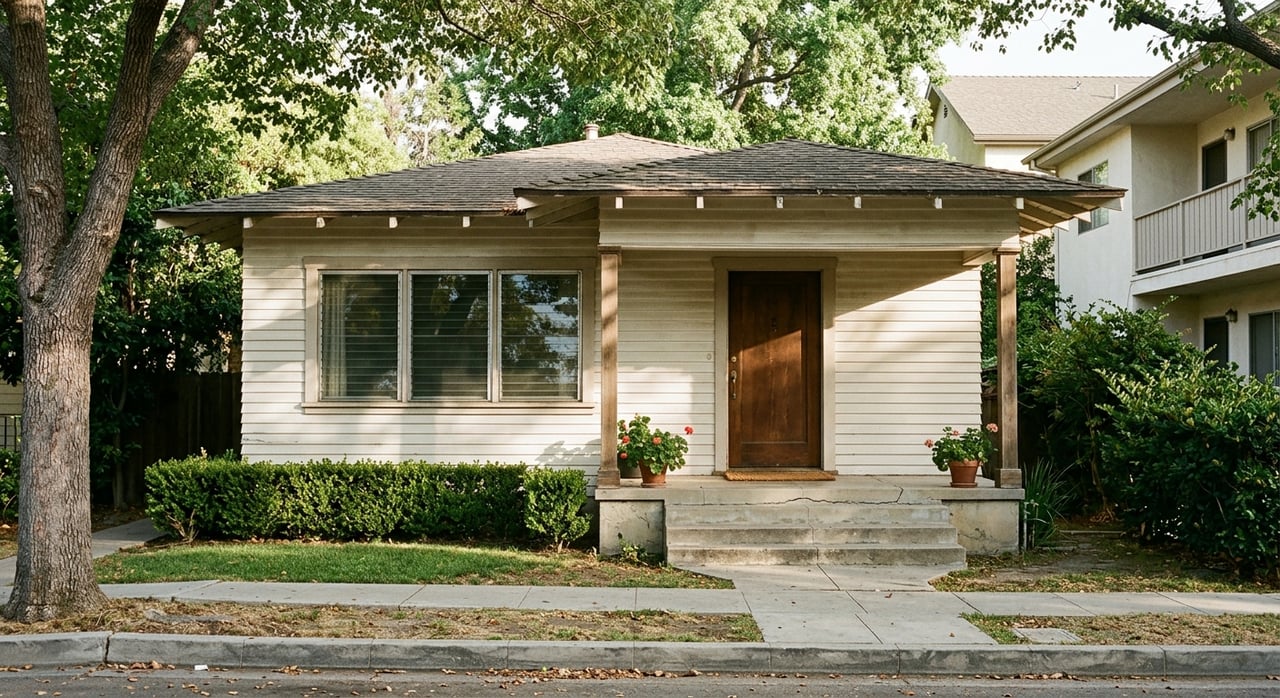
Kaimukī’s housing is best understood as a mix rather than a single style. The UH community report describes the area as including everything from historic homes to much larger modern structures. Residents also noted changes over time, including older wooden homes being replaced by two-story concrete houses and larger new builds.
Historical context helps explain that mix. The Historic Hawaiʻi Foundation notes that Kaimukī developed as a subdivision in the early 1900s, with many homes originally built from catalog or prefabricated plans. Over time, some of those earlier bungalows were replaced by boxier houses and larger replacement homes.
Today, you may see vintage cottages and bungalows, older single-family homes, newer infill construction, and some low-rise multifamily buildings in the same broader area. City planning documents also support that variety. The Primary Urban Center Development Plan identifies Kaimukī as part of Honolulu’s older single-family residential fabric while noting the Waialae Avenue corridor as an older street-oriented business area, with some nearby areas considered for higher-density residential use.
For buyers, that means your home search in Kaimukī may involve very different property types. The neighborhood can offer character-rich older homes, updated houses, and some lower-rise multifamily options, depending on the block and your budget.
How Kaimukī Feels Compared With Nearby Areas
Kaimukī offers a different experience from several nearby Honolulu neighborhoods. Based on city planning documents and community sources, it generally feels more neighborhood-scale and less resort-driven than Waikīkī. It also reads as more independent-business oriented than a mall-centered retail area.
Compared with Waialae-Kāhala, Kaimukī tends to feel tighter-grained and more visibly mixed-use, with smaller lots, older homes, and a denser cluster of local businesses. Compared with downtown Honolulu, it is more residential and slower-paced while still functioning as an in-town neighborhood with direct transit access and close connections to the broader urban core.
Those differences can matter a lot when you are choosing where to live. If you value a neighborhood with local routines, a recognizable street life, and a strong residential base, Kaimukī may feel like a compelling middle ground.
Who Kaimukī May Suit Best
Kaimukī can appeal to several types of buyers and homeowners. If you want an established Honolulu neighborhood with local businesses, public spaces, and practical transit connections, it checks many of those boxes. If you appreciate older homes and a streetscape with layered architectural history, that can be part of the draw as well.
It may also appeal to people who want to stay connected to town without living in a high-rise environment or a heavily tourism-oriented area. At the same time, the neighborhood’s mix of housing, changing built form, and varying street conditions means it helps to look at each micro-location carefully.
That is where local guidance matters. A neighborhood like Kaimukī is not just about stats. It is about understanding how a specific block feels, how a property fits your goals, and how the area’s character aligns with the way you want to live.
If you are thinking about buying or selling in Kaimukī, working with someone who understands Honolulu’s neighborhood differences can make the process much clearer. Laura Ing Baker offers thoughtful, local guidance to help you evaluate homes, understand neighborhood context, and move forward with confidence.
FAQs
How walkable is Kaimukī in Honolulu?
- Kaimukī has a Walk Score of 58 out of 100 and is ranked as Honolulu’s 7th most walkable neighborhood, which supports a lifestyle with some errands and local outings done on foot.
What kinds of homes are found in Kaimukī?
- Kaimukī includes a mix of historic cottages, bungalows, older single-family homes, newer replacement houses, and some low-rise multifamily buildings.
What gives Kaimukī its local character?
- Kaimukī’s local character comes from its long-established residential setting, independent businesses, neighborhood parks, the public library, and recurring community activity.
What public transit options serve Kaimukī?
- TheBus lists several routes that serve Kaimukī and nearby corridors, including Routes 2/2L, 3, 7, and 200.
What are popular weekly routines in Kaimukī?
- Popular routines include visiting the KCC Farmers’ Market on Saturdays, using the Kaimukī Public Library, and spending time in neighborhood parks and local business areas.
