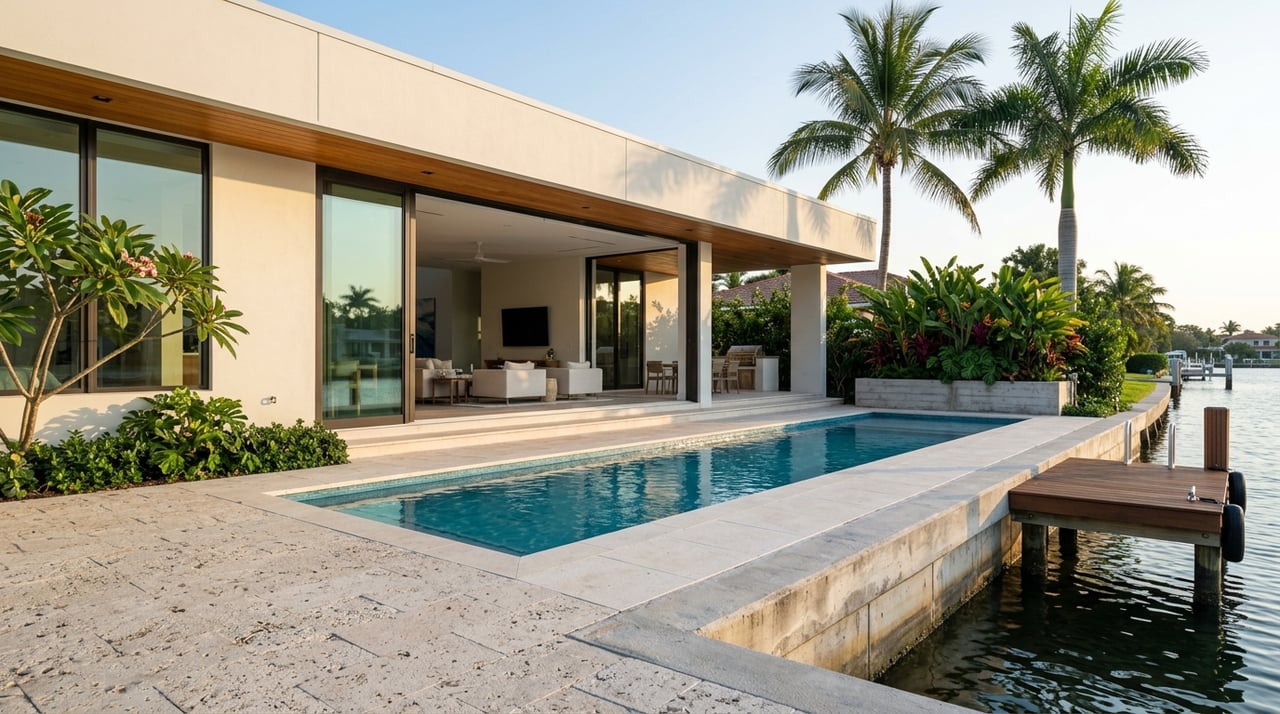
Thinking about a waterfront home in Hawaii Kai? The view, the breeze, and the idea of keeping the water in your backyard can be incredibly appealing. But buying along the marina or shoreline here is not quite the same as buying an interior home, and understanding those differences can help you make a smarter decision. Here’s what you should know before you start shopping in Hawaii Kai.
Waterfront Homes Come in Different Forms
When many buyers picture a Hawaii Kai waterfront property, they imagine a detached marina-front house with a private dock. That is part of the market, but it is not the whole story. Hawaii Kai offers a broader mix that can include single-family homes, townhomes, and condos with waterfront settings.
That matters because the type of property you buy can shape your day-to-day ownership experience. A condo or townhome may offer a lower-maintenance lifestyle, while a detached home may give you more control over the lot and exterior features. Still, your actual rights and responsibilities depend on the recorded property documents and any community rules that apply.
Start With the Right Waterfront Questions
Before you focus on finishes or views, it helps to define what kind of waterfront lifestyle you want. Some buyers want direct marina access for boating, while others care more about views, outdoor space, or a lock-and-leave setup. Hawaii Kai has options, but they do not all come with the same privileges.
A few early questions can save you time:
- Is the property a detached home, townhouse, or condo?
- Does the property include dock or slip rights?
- Are there HOA rules or recorded use restrictions?
- Who maintains the dock, seawall, or shared waterfront areas?
- Is the property subject to flood or sea-level-rise disclosure?
These details can affect both your costs and your long-term plans for the property.
Flood and Sea Level Disclosures Matter
In Hawaiʻi, sellers must disclose if a residential property is located in a FEMA special flood hazard area or in the state sea level rise exposure area. Since May 1, 2022, sea-level-rise disclosure has been part of residential real estate transactions in Hawaiʻi. For waterfront buyers in Hawaii Kai, this is a key part of due diligence.
The official flood source is FEMA’s Flood Map Service Center, and the state’s planning tool is the Hawaiʻi Sea Level Rise Viewer. State climate officials updated that viewer in late 2025 and said Hawaiʻi is projected to experience about four feet of sea-level rise by the end of the century. Even if a home feels well-positioned today, buyers should understand how these mapped conditions may affect insurance, future improvements, and overall risk.
Shoreline Rules Can Affect Future Plans
Not every waterfront issue is obvious from the listing photos. In Honolulu, shoreline certification and shoreline setback rules can affect what may be built, rebuilt, expanded, or repaired on certain lots. A parcel does not need to sit directly on the beach to run into coastal permitting questions.
The certified shoreline helps establish important boundaries used in permitting and setback review. Honolulu also treats the shoreline setback area as sensitive, and most structures and activities are restricted there. In some situations, if erosion changes conditions, the city can even require a permitted minor structure to be removed.
The practical takeaway is simple: do not assume an existing improvement can automatically be replaced or enlarged later. If a property has shoreline exposure, it is wise to review the available surveys, permits, and property records before you commit.
Docks and Seawalls Need Review
For many buyers, a dock is one of the biggest attractions of a Hawaii Kai waterfront property. But ownership and maintenance responsibilities are not always straightforward. Depending on the property, those obligations may be addressed in title documents, community rules, or other governing records.
If the home is adjacent to the shoreline, Hawaiʻi law also requires disclosure about permitted and unpermitted erosion-control structures, permit expirations, notices of violation, and fines. That means buyers should review any available seawall records or related documentation carefully. A beautiful waterfront setting is still a property with physical infrastructure, and that infrastructure can carry real obligations.
Marina Access Has Specific Rules
If your goal is to keep or operate a boat from Hawaii Kai, marina access rules deserve close attention. Hawaii Kai Marina limits vessel operation to bona fide Hawaii Kai residents, Koko Marina boat-slip tenants, and approved commercial enterprises. Vessels also need prior Marina Manager approval and annual registration.
For power vessels, owners must provide current registration or documentation and at least $300,000 in watercraft liability insurance. Guest boats are permitted only under limited sponsor and pass rules. The marina also restricts activities, with rules that prohibit watersports, fishing, and crabbing in the marina.
Boating Lifestyle Includes Speed and Wake Limits
Lifestyle and logistics go together on the water. In Hawaii Kai Marina, the general rule is the slower of 5 knots or slow/no wake. From sunset through 8:00 a.m., slow/no wake applies, and boats over 21 feet are limited to slow/no wake at all times.
These rules may not be a deal-breaker, but they do shape how the marina feels and functions. If you are imagining quick departures, frequent guests, or larger boats, you will want to understand how these operating rules line up with your plans.
Floating Docks and Launch Access Are Managed
Some waterfront buyers hope to add or modify a dock after closing. In Hawaii Kai, floating docks may be approved for waterfront residences, but they require Marina Manager approval as well as local HOA approval. The rules also note concerns related to wind, tidal action, and wave wash.
If you own a trailer boat, launch logistics matter too. Hancock Landing allows launch and recovery only with a valid Hawaii Kai Marina decal, and parking is limited to 48 hours. The Maunalua Bay launch ramp near Koko Head includes two ramps, a loading dock, and permit-only anchoring, which shows that boating access exists but is actively managed.
Boating Safety Is Part of Ownership
If you plan to operate a motorized vessel in Hawaiʻi state waters, there is also a state-approved boating safety requirement for engines over 10 horsepower. That is one more detail to keep in mind if your waterfront home search is tied to a boating lifestyle.
For some buyers, these rules feel manageable and worth it. For others, they clarify that a view-oriented property without boating responsibilities may be a better fit. Either outcome is useful because it helps you buy with clear expectations.
Compare Lifestyle Against Complexity
Hawaii Kai has real lifestyle appeal. Its waterfront setting connects to Maunalua Bay, and nearby recreation includes Makapuʻu Point Lighthouse Trail, Koko Head and Koko Crater viewpoints, and Hanauma Bay. The area also includes shopping and dining hubs such as Hawaii Kai Towne Center and Koko Marina Center.
Still, waterfront ownership usually brings more moving parts than an interior home in the same area. Along with water access and views, you may also be taking on marina rules, HOA layers, flood and sea-level-rise disclosure, shoreline review questions, and possible dock or seawall maintenance. For many buyers, the key is not avoiding complexity but understanding it before making an offer.
Build the Right Due Diligence Team
A strong waterfront purchase often depends on asking the right questions early and reviewing the right documents. In Hawaii Kai, that can include title records, CC&Rs, HOA documents, shoreline surveys, marina rules, and any records tied to docks, seawalls, or erosion-control improvements. Hawaiʻi law also gives buyers an opportunity to review governing documents and rules for properties subject to recorded declarations or use restrictions after receiving them.
This is where experienced guidance can make a big difference. You want a buyer’s agent who understands Hawaii Kai, plus the right supporting professionals for title, insurance, surveys, and any waterfront-related improvements you may be considering. The goal is not to make the process feel harder. It is to help you move forward with confidence.
If you are considering a waterfront purchase in Hawaii Kai, working with a local agent who understands the neighborhood’s property types, marina considerations, and disclosure issues can help you ask better questions from the start. Reach out to Laura Ing Baker for thoughtful, one-on-one guidance as you explore your options.
FAQs
What types of waterfront homes are available in Hawaii Kai?
- Hawaii Kai waterfront options can include single-family homes, townhomes, and condos, not just detached marina-front properties.
What should buyers check before buying a Hawaii Kai waterfront home?
- Buyers should confirm the property type, dock or slip rights, applicable HOA or marina rules, maintenance responsibility for waterfront features, and whether flood or sea-level-rise disclosures apply.
Are flood disclosures required for Hawaii Kai waterfront properties?
- Yes. Hawaiʻi law requires sellers to disclose if a residential property is in a FEMA special flood hazard area or the state sea level rise exposure area.
Do Hawaii Kai waterfront properties have shoreline restrictions?
- Some do. Shoreline certification and Honolulu shoreline setback rules can affect whether structures or improvements may be built, rebuilt, expanded, or required to be removed.
Can you keep a boat at a Hawaii Kai waterfront home?
- Boat use and marina access are regulated, and vessel operation generally requires Marina Manager approval, annual registration, and compliance with marina rules.
Are docks automatically included with Hawaii Kai waterfront homes?
- Not always. Buyers should verify whether dock or slip rights are included and review the property documents to understand ownership, approval requirements, and maintenance obligations.
What boating rules apply in Hawaii Kai Marina?
- The marina generally applies the slower of 5 knots or slow/no wake, requires slow/no wake from sunset to 8:00 a.m., and limits boats over 21 feet to slow/no wake at all times.
Is a Hawaii Kai waterfront home harder to own than an interior home?
- It can be more complex because waterfront ownership may involve marina rules, HOA documents, flood and sea-level-rise disclosures, shoreline questions, and maintenance of features like docks or seawalls.
