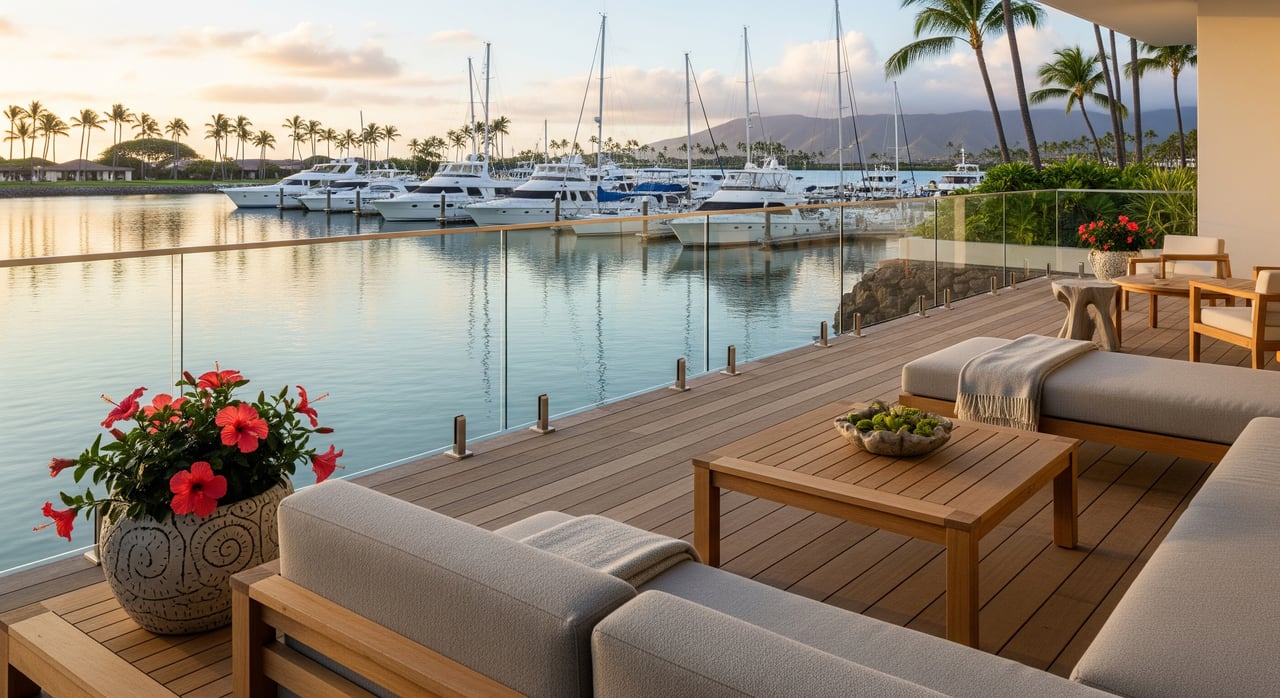
Picture this: you step off your lanai, slide a kayak into calm water, and paddle toward sunrise over Maunalua Bay before work. If you are drawn to that rhythm, Hawaii Kai’s marina communities can be a perfect fit. Still, buying on the water comes with unique costs, rules, and upkeep that are easy to overlook. In this guide, you will learn what marina living delivers, what it asks of you, and the smart steps to budget and verify before you buy. Let’s dive in.
Hawaii Kai context
Hawaii Kai sits on Oʻahu’s east side near Koko Head, wrapped around sheltered waterways connected to Maunalua Bay. You are close to everyday conveniences at Koko Marina Center and Hawaii Kai Towne Center, plus parks, launch points, and quick access to open ocean. Marina-front condos and townhomes often command a premium over inland options because of views and direct water access. For current pricing and inventory trends, rely on recent local comparable sales or a local agent’s sold-data review.
Lifestyle and access
Everyday perks
- Immediate water access for SUP, kayak, small sailboats, and powerboats.
- A social boating community with group paddles and an active outrigger culture.
- Waterfront ambiance, sunrise outlooks, and Maunalua Bay panoramas.
- Practical convenience with nearby fuel, basic marine services, and waterside dining.
Tradeoffs to weigh
- Marina activity can mean more noise and weekend traffic than inland streets.
- Some waterfront paths are public or semi-public, which adds foot traffic near your lanai.
- Wind, swell, and channel traffic vary by day and season; plan boating with conditions in mind.
- HOAs often set strict rules on storage, docking, exterior changes, and rentals.
- Seasonal prep is real. Hurricane readiness and rough-water periods may limit use at times.
Costs to plan for
Waterfront living blends the usual ownership expenses with marine-specific fees and insurance. Because numbers change with market conditions and each building’s budget, focus on categories and how to estimate them rather than guessing at dollar amounts.
Purchase-time costs
- Purchase price premium: Waterfront units usually sell at higher prices than comparable non-waterfront units. Compare recent sold comps in the same complex or nearby to quantify the gap.
- Financing: Lenders may have extra requirements for marina-exposed condos and townhomes. Confirm any rules about reserves, litigation, or investor ratios for the specific building. If a slip is purchased or leased separately, ask your lender how those are handled.
- Closing and transfer fees: Include standard closing costs and any marina or slip transfer fees if a slip changes hands.
Recurring ownership costs
- HOA or condo dues: These typically fund exterior and common-area maintenance, management, insurance for common elements, dock upkeep when applicable, and reserves. Review the current budget, reserve study, and meeting minutes for fee history and upcoming projects.
- Slip or moorage fees: Structures vary. Some communities include community docks, some have separately owned or leased slips, and others rent monthly by size and depth. Ask for rate schedules, utility charges, waitlists, and transfer rules.
- Insurance: Property insurance for waterfront homes can cost more because of salt exposure and proximity to flood zones. If your unit lies in a FEMA flood zone, flood insurance may be required or strongly recommended. Boat insurance is separate.
- Property taxes: Taxes are tied to assessed value and exemption status. Use the City and County resources to compare assessments for similar Hawaii Kai properties.
- Utilities and services: Confirm billing for shore power and water at slips. Internet, trash, sewer, and other services often mirror typical condo setups, but verify.
- Boat operations: Budget for fuel, routine engine service, hull cleaning, antifouling paint when applicable, and any haul-out needs for larger vessels. Include registration and any launch or pump-out fees.
- Storage: Some buildings offer kayak or SUP racks, gear lockers, or limited on-site storage for small craft. Off-site storage yards may be needed for trailers or larger gear.
- Special assessments: Dock repairs, storm impacts, or capital projects can lead to one-time assessments. Study reserve balances and past assessment history.
How to estimate with confidence
- Request the HOA’s current budget, reserve study, insurance certificates, and recent meeting minutes.
- Ask marina or dock managers for slip dimensions, depth at mean low water, rate structures, and waitlist policies.
- Obtain property, flood, and boat insurance quotes tied to the specific address and flood zone.
- Build your total based on local comps and actual documents rather than generic averages.
Maintenance and operations
Property upkeep near saltwater
- Expect faster corrosion of metal fixtures. Favor marine-grade stainless and regular rinse-downs.
- Plan for more frequent exterior painting, sealing of decks, and vigilant caulking.
- Keep HVAC and ventilation in good shape to manage humidity and reduce mildew.
- Docks and pilings need periodic inspection and specialized contractors for repairs.
Boat and small-craft care
- Routine engine servicing, prop and steering checks, and bilge pump maintenance.
- Hull cleaning and antifouling paints when appropriate for local conditions.
- A hurricane and high-wind plan for securing or relocating craft when needed.
Storage, slips, and utilities
Slip types and policies
- Slip ownership vs. lease: Some slips convey with the unit, others are leased. Ask about transfer rules, fees, and whether a slip can be reassigned.
- Size and depth: Verify slip length, beam, and depth at mean low water for your vessel’s draft.
- Availability: If slips are limited, check waitlists and typical wait times, and explore nearby off-site options.
Utilities and services
- Shore power and water: Confirm amperage and whether utilities are metered or billed back.
- Fuel and pump-out: Not all facilities offer full services on-site. Identify nearby support.
- Trailer and rack storage: Many HOAs restrict trailer parking. Learn the rules for on-site racks and guest storage.
Due diligence checklist
Request and review these items before you commit:
- HOA documents: CC&Rs, bylaws, house rules, current budget, reserve study, insurance certificates, fee increase history, and any pending special assessments.
- Marina documents: Slip ownership or lease status, dimensions and depth chart, rate schedule, utilities, transfer rules and costs, and maintenance schedules.
- Maintenance records: Recent dock repairs, piling inspections, exterior painting, termite or wood-rot remediation, and corrosion treatments.
- Flood information: The property’s flood zone designation and relevant FEMA map excerpts.
- Insurance quotes: Property, flood, and boat insurance estimates based on the address and craft.
- Site visits: Walk the dock, check approach and channel markers, and observe wind and tidal patterns at different times.
- Lender review: Confirm condo eligibility and any additional documentation requirements early.
Build your monthly estimate
Use this simple worksheet to assemble a realistic monthly picture:
- Mortgage payment based on a recent local comp and your financing terms.
- HOA or condo dues from the current budget.
- Slip or moorage fee, or HOA dock fee if applicable.
- Property insurance plus any flood insurance requirement.
- Boat insurance for liability and hull coverage.
- Utilities for dock power and water, if billed separately.
- A maintenance reserve for marine exposure. A common planning range is 0.5 to 2 percent of property value per year, adjusted to your situation.
- Storage fees for kayaks, SUPs, gear, or off-site trailer storage.
- Property taxes, prorated monthly.
Update these inputs with actual documents and quotes to avoid surprises.
Rules and planning to verify
- Short-term rentals: Honolulu has specific rules for short-term rentals, and many HOAs add their own restrictions. Confirm before you plan any rental income.
- Permits and exterior work: If you envision dock or lanai changes, check building and coastal permit requirements.
- Boating regulations: Review state boating rules for channels and harbor use.
- Safety and evacuation: Know local tsunami routes and hurricane plans for both your home and any vessels.
Is marina living right for you?
If you love being on the water, value quick access, and are comfortable with a little extra upkeep, Hawaii Kai’s marina lifestyle can be deeply rewarding. You will trade some privacy and add a few recurring line items for the ability to paddle or motor out on a moment’s notice. The key is to confirm costs with real documents and understand your HOA and marina rules before you buy. With the right due diligence, you can enjoy the waterfront rhythm with confidence.
Ready to explore specific marina-front homes and compare true monthly costs side by side? Connect with Laura Ing Baker for a local, consultative walkthrough of options, documents, and next steps.
FAQs
What lifestyle perks come with Hawaii Kai marina homes?
- You get direct water access for paddling and boating, a social waterfront community, and bay views with nearby services and dining.
What are the biggest recurring costs for marina living?
- Beyond your mortgage, plan for HOA dues, potential slip or moorage fees, property and flood insurance, utilities for dock power and water, storage, and higher maintenance.
Are slips usually included with marina-front condos or townhomes?
- It depends. Some slips are included, others are leased or owned separately. Verify slip status, fees, and transfer rules with the HOA or marina manager.
How do I compare waterfront and non-waterfront prices in Hawaii Kai?
- Use recent local sold comps from the same or similar buildings to see the waterfront premium and align your budget.
What special maintenance should I expect near the water?
- Plan for faster corrosion, more frequent exterior sealing and painting, vigilant ventilation, and periodic dock inspections and repairs.
Do Honolulu rules allow short-term rentals in marina communities?
- Honolulu has restrictive short-term rental rules and many HOAs add their own bans. Review city regulations and your building’s CC&Rs before making plans.
How can I build an accurate monthly cost estimate?
- Gather the HOA budget, reserve study, slip rate schedule, insurance quotes, utility details, and property tax info, then total those items alongside your mortgage.
