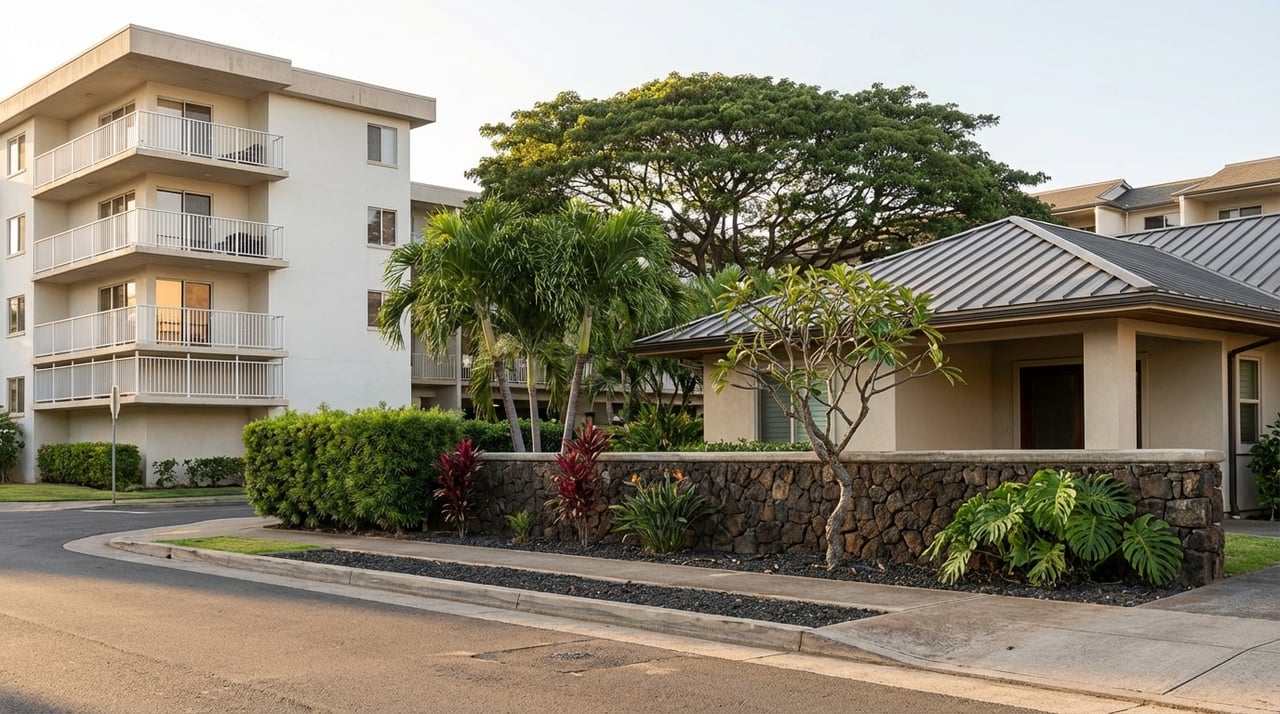
Should you go for marina-side condo living or a hillside home with a yard in Hawaii Kai? It is a big choice, and the right answer depends on how you want to live, what you want to spend each month, and how much maintenance you want to handle. In this guide, you will compare costs, lifestyle tradeoffs, HOA and AOAO rules, and rental and financing factors specific to East Oahu. By the end, you will have a clear checklist to pick the best fit for you. Let’s dive in.
Hawaii Kai at a glance
Hawaii Kai is a planned, marina-centered community on East Oahu with a wide mix of homes. You will find marinafront townhomes and mid-rise condos, oceanfront pockets in Portlock, and ridge homes with views on Mariners Ridge and other hillsides. Median condo prices often land in the mid $700,000s to high $800,000s, while many single-family homes trade around $1.5 million to $1.9 million. Always confirm the latest median prices and daily inventory for the exact weeks you are shopping.
Families often choose Hawaii Kai for its neighborhood layout and access to the Kaiser school complex. If schools are a key factor, confirm current Department of Education boundaries and any program details before you buy. Boundaries and offerings can change over time.
Costs: condo vs house
Purchase price
In general, condos offer a lower entry price in Hawaii Kai than single-family homes. That price gap often reflects footprint, land value, and location within the marina or ridge system. If you want a private yard or more square footage, expect to budget for the single-family segment.
Monthly carrying costs
Condos add monthly AOAO fees. In Hawaii Kai, it is common to see maintenance fees roughly in the $900 to $1,400 range, with higher amounts in marinafront or amenity-heavy projects. Fees may cover exterior insurance, common-area upkeep, pools, fitness rooms, landscaping, some utilities, and in some marina complexes, portions of marina or slip costs. Houses usually have lower or no HOA fees but shift exterior costs and future capital projects to you.
Maintenance and coastal wear
Salt air, humidity, and sun can accelerate wear on both houses and condos near the coast. Expect more frequent exterior paint, metal hardware replacement, and attention to decks, windows, and HVAC. Local building practice and materials address termite protection, but it is still wise to plan for inspections and treatment as part of routine care. A coastal-aware approach to maintenance helps protect your investment over time. For background on local construction and termite treatment context, see this overview of local building practices from Building Industry Hawaii: Hawaii construction and termite treatment context.
Lifestyle fit in Hawaii Kai
Space and privacy
Condos simplify life with less upkeep and shared amenities, though you give up a private yard and usually a full-size garage. Houses deliver more separation from neighbors, on-lot storage, and room for water toys or garden projects. If daily outdoor living space or the option to add on is non-negotiable, a single-family home is often the better match.
Marina access and amenities
Many condo communities center on the marina lifestyle. Projects may include docks, slip access, guest parking for water days, pools, and fitness rooms. If your dream is to paddle or boat from your backyard with minimal yard work, a marinafront condo or townhouse can be ideal.
Outdoor living and ADUs
Single-family lots can support larger lanais, pools, and gardens. Some homes may also be candidates for a permitted accessory dwelling unit for long-term rental or multi-generational living, subject to Oahu’s ADU rules and your property’s utilities and covenants. Learn more about Oahu’s ADU framework here: Oahu ADU overview.
AOAO and HOA diligence
What to review
When you consider a condo, the AOAO’s financial health matters as much as the unit. Ask for the current budget, most recent financial statements, reserve study, insurance certificate and deductible, meeting minutes, bylaws, house rules, and any planned special assessments. The Hawaii DCCA outlines what to request and why in its condo buyer guidance: DCCA’s condo buyer FAQs.
For houses, review any subdivision HOA rules and budget. Also confirm easements, flood zone, sewer connection, ADU eligibility, and driveway or street maintenance responsibilities.
Red flags to watch
Be cautious with condos that show very low reserves, repeated special assessments, open litigation, or large insurance jumps that signal future fee increases. Hawaii condo associations have faced a hard insurance market in recent years that has driven up premiums and, in some cases, dues or assessments. Learn more about this trend in Civil Beat’s reporting: Condo insurance cost pressures.
Financing, rentals and taxes
Condo financing
Lenders often apply project-level rules for condos. Insurance coverage, owner-occupancy ratios, reserves, and litigation can all impact loan approvals and terms. Verify project eligibility with your lender early to avoid surprises that can affect both your financing and future resale.
Short-term rentals
Honolulu requires registration for legal short-term rentals and tightly regulates where and how they operate. AOAO rules may be stricter than the city’s rules. Before you rely on rental income, verify city eligibility, AOAO minimum lease terms, and all registration steps. A practical summary of Honolulu’s STR framework is here: Honolulu short-term rental rules.
Taxes to model
If you plan any vacation rental use and you are evaluating numbers across years, remember tax obligations and rate changes. Hawaii passed a TAT increase that raises the state Transient Accommodations Tax rate to 11 percent effective January 1, 2026. See coverage of the bill here: Hawaii TAT rate increase.
Buyer checklist
Follow these steps to choose with confidence:
- Define non-negotiables like yard needs, storage, commute, and school requirements.
- Set an all-in monthly budget that includes mortgage, property tax, insurance, and AOAO or HOA dues. Stress test condo budgets for a 25 to 50 percent fee increase or a possible special assessment given recent insurance market volatility. For context, review condo insurance cost pressures.
- For condos, request the full AOAO packet and read the last 12 to 24 months of minutes for hints of upcoming projects or disputes. For houses, get any HOA rules, plus flood and sewer details.
- Order a coastal-aware home inspection and obtain quotes for homeowners or HO-6 coverage that align with the property type.
- If rentals matter, confirm city registration eligibility, AOAO rules, and tax obligations in writing before you write an offer.
Which is right for you
Choose a condo if:
- You want a lower entry price, smaller footprint, and shared amenities with less hands-on maintenance.
- Marina access or a lock-and-leave setup fits your lifestyle.
Choose a house if:
- You want private outdoor space, more storage, or flexibility for future changes like an ADU.
- You prefer full control over your property and are comfortable budgeting for long-term maintenance.
Still unsure? Walk a few condos and a few homes in the same week so you can compare real space, light, and monthly numbers side by side. A thoughtful, apples-to-apples tour often makes the answer clear.
If you want local, one-on-one guidance as you weigh condos against houses in Hawaii Kai, reach out to Laura Ing Baker for a friendly, no-pressure consultation and custom plan.
FAQs
What are typical Hawaii Kai condo fees?
- Many projects show AOAO fees around $900 to $1,400 per month, with higher amounts in amenity-rich or marinafront communities.
How do Hawaii Kai condo and house prices compare?
- Condos often trade in the mid $700,000s to high $800,000s, while many single-family homes sell around $1.5 million to $1.9 million.
What AOAO documents should I review before buying?
- Request the current budget, financials, reserve study, insurance certificate, meeting minutes, bylaws, house rules, and any pending assessments.
Can I do short-term rentals in Hawaii Kai?
- Only if both city registration and your AOAO or HOA allow it, and you meet all rules and fees set by Honolulu.
What coastal maintenance should I plan for?
- Expect more frequent exterior paint and hardware replacement, routine roof and window care, and proactive termite protection and inspections.
